




Sleep Better Tonight: 9 Proven Strategies for Beating Insomnia
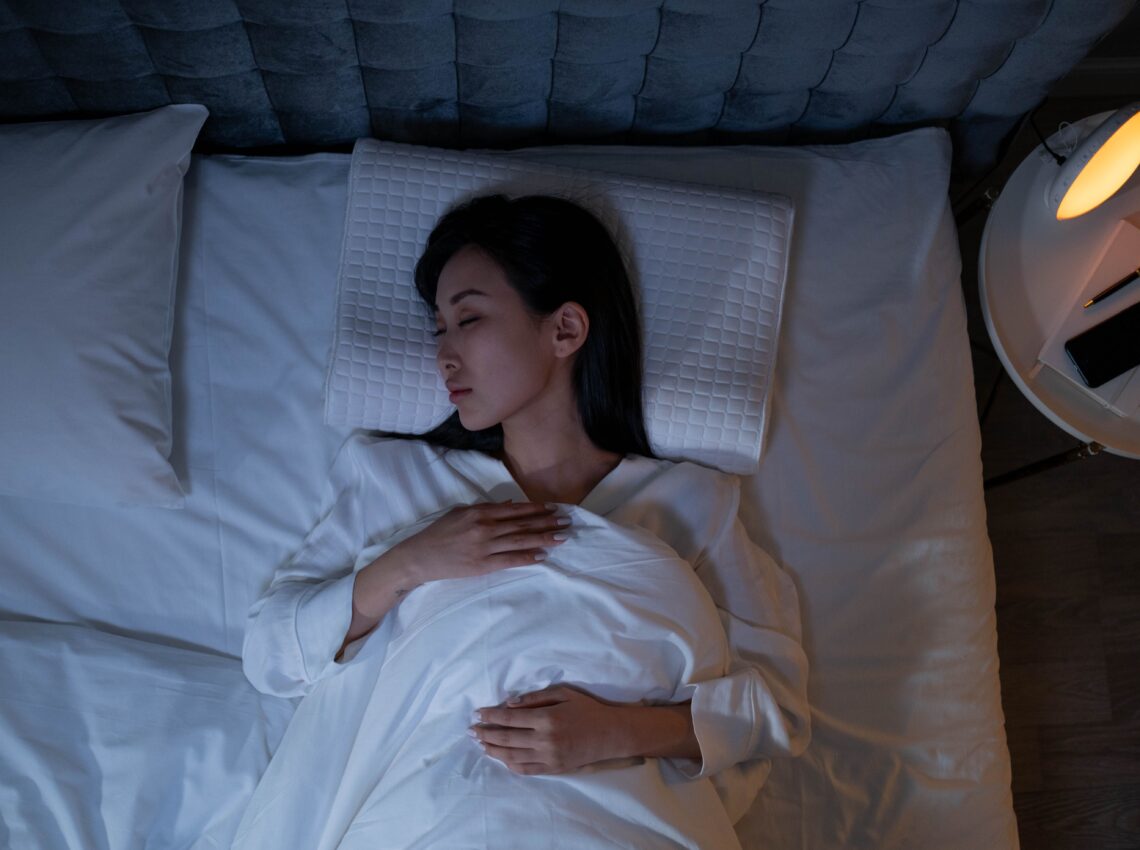
After a long day of juggling work, family responsibilities, and social obligations, we are just looking forward to one thing: a good night’s sleep.
Yet we lie in bed exhausted, but our minds refuse to slow down. Thoughts about tomorrow’s deadlines, our children’s schedules, ageing parents, finances, or unfinished tasks keep replaying.
Hours pass.
You check the clock again.
Morning arrives, and you wake feeling drained.
If this sounds familiar, you are not alone.
Insomnia is increasingly common among women. Hormonal changes, stress, anxiety, and lifestyle habits all play a role. For Asian women, cultural expectations can add another layer of pressure. Many are expected to manage careers while also caring for children, spouses, and elderly family members, often putting their own needs last.
The good news is that better sleep is possible.
Here are nine proven strategies to help you beat insomnia and sleep better tonight.
1. Keep a Consistent Sleep Schedule
Your body thrives on routine. Going to bed and waking up at different times every day can disrupt your internal body clock, making it harder to fall asleep naturally.
Try to sleep and wake at roughly the same time each day, even on weekends.
A steady routine helps train your brain to recognise when it is time to rest.
Aim for 7 to 9 hours of sleep each night.
2. Reduce Evening Screen Time
Phones, tablets, and laptops have become constant companions. Many women scroll social media, answer work messages, or watch dramas before bed.
Unfortunately, screens can worsen insomnia.
Blue light from devices suppresses melatonin, the hormone that helps regulate sleep. Mental stimulation from news, social media, or emotional content can also keep your brain alert.
Try limiting screens at least 60 minutes before bedtime.
Instead, replace screen time with calming activities such as:
- Reading a book
- Gentle stretching
- Listening to soft music
- Practicing meditation
- Drinking warm herbal tea

3. Watch Your Caffeine Intake
That afternoon bubble tea, kopi, or tea might be affecting your sleep more than you realise.
Caffeine can stay in the body for 6 to 8 hours, sometimes longer for sensitive individuals. If you struggle with insomnia, avoid caffeine after lunchtime.
This includes:
- Coffee
- Tea
- Energy drinks
- Certain soft drinks
- Chocolate
Many Asian women rely on caffeine to power through demanding schedules, but late-day consumption can create a cycle: poor sleep leads to more caffeine, which leads to worse sleep.
4. Create a Sleep-Friendly Bedroom
Your environment matters more than you think.
A comfortable bedroom should feel calm, cool, quiet, and relaxing.
Consider these adjustments:
- Keep the room temperature comfortable
- Use blackout curtains if outside light disturbs you
- Reduce noise with earplugs or white noise
- Invest in good pillows and a comfortable mattress
- Keep clutter to a minimum
Your bedroom should be associated with rest, not stress.
READ MORE: Use Three Scents to Help You Sleep Better

5. Stop Overthinking in Bed
For many women, bedtime becomes thinking time. The moment the house becomes quiet, worries become louder.
You may replay conversations, plan tomorrow’s tasks, or worry about family issues.
Try “brain dumping” before bed by writing down:
- Tomorrow’s to-do list
- Worries on your mind
- Important reminders
Ideally, do this after dinner, hours before bed, so your brain has time to calm down and declutter before preparing for bed. Journaling helps move mental clutter out of your head and onto paper.
6. Manage Stress During the Day
Insomnia is often a nighttime symptom of daytime stress.
If your days are filled with nonstop pressure, your nervous system may remain in high alert even when your body is tired.
Stress management during the day can improve sleep at night. Helpful practices include:
- Walking
- Yoga
- Deep breathing
- Meditation
- Talking with a trusted friend
Many Asian women are raised to endure stress quietly. But chronic stress affects both mental and physical health.
7. Avoid Heavy Late-Night Meals
Late dinners are common in many busy households, especially after work and family responsibilities.
Eating large, spicy, oily, or heavy meals too close to bedtime can cause discomfort, indigestion, or acid reflux. Try to finish dinner 2 to 3 hours before sleep when possible.
If you feel hungry later, instead fo potato chips, choose a light snack such as:
- Banana
- Yogurt
- Warm milk
- Whole-grain crackers

8. Exercise Regularly
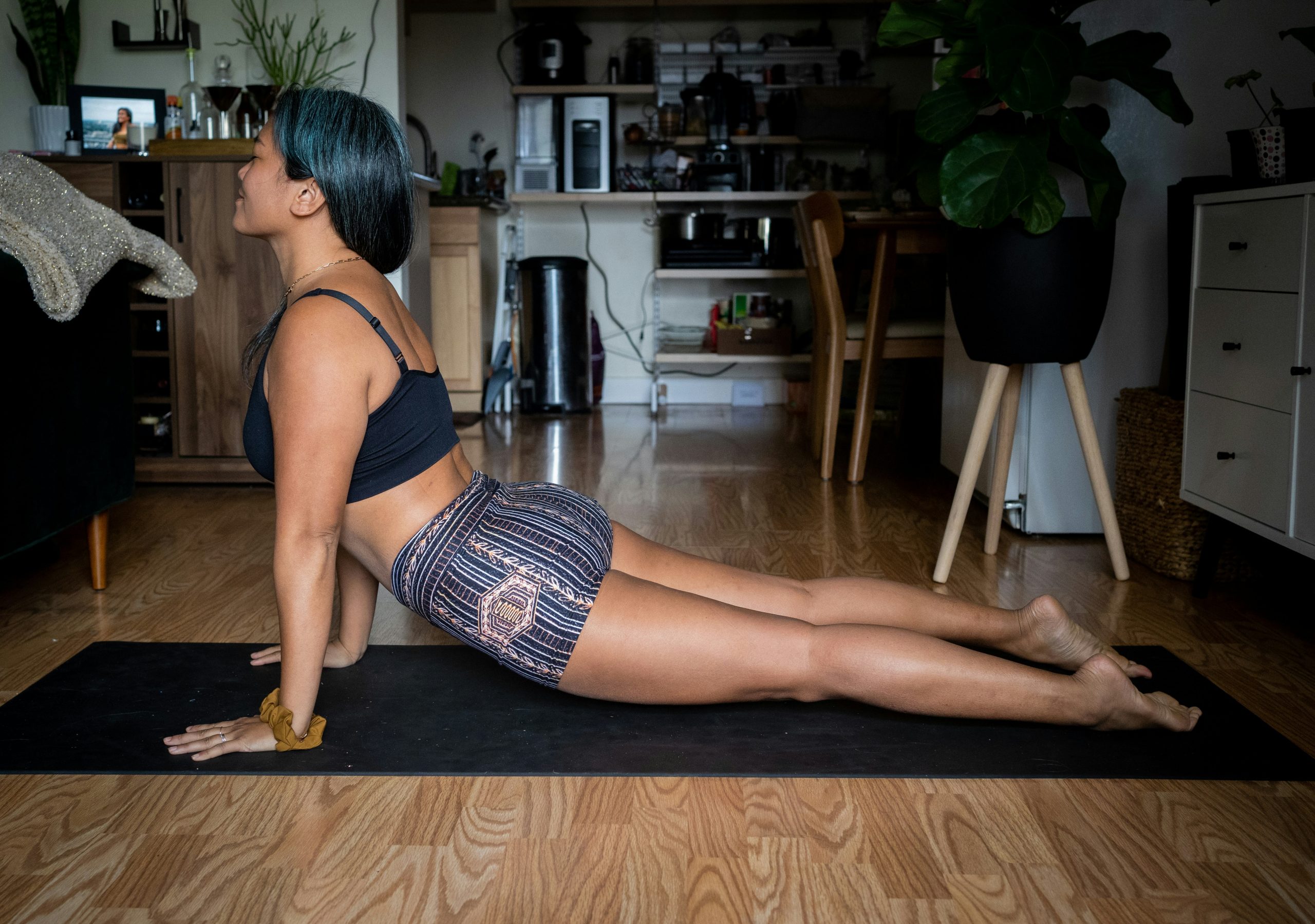
Physical activity is one of the most effective natural sleep aids. Regular exercise reduces stress, improves mood, and helps regulate sleep cycles.
You do not need intense workouts.
Even moderate activity helps:
- Brisk walking
- Dancing
- Pilates
- Swimming
- Cycling
Aim for at least 30 minutes most days.
READ MORE: Fitness After 30: Effective Workouts for Busy Women
9. Know When to Seek Help
Occasional sleepless nights are normal.
But if insomnia happens several times a week for months and affects daily functioning, professional support may help.
Speak with a doctor if you experience:
- Chronic difficulty sleeping
- Severe daytime fatigue
- Snoring or breathing issues
- Persistent anxiety or depression
- Frequent waking during the night
Seeking help is a sign of self-care, not weakness.
Good Sleep Is Essential
For Asian women balancing multiple responsibilities, sleep is often sacrificed first. But constantly running on exhaustion comes at a cost.
Prioritising sleep is one of the most powerful investments you can make in yourself.
You do not need to fix everything overnight.
Tonight, give yourself permission to rest.
The world can wait until morning.